In a group of people, group maintenance tasks migrate inward to a core minority. No matter what you do. Under any circumstances. Having open access to a system of worth is going to be a transitional phase. It will never be permanent.
That to me is the key to understanding Hardin's Tragedy of the Commons. It is not that there isn't enough good will or good sense to sustain a common resource in a society: instead, an era of open common resources tends to be only the beginning of an era, not the whole life of it. By opening frontiers or pastures or information reservoirs to everyone, the chaff of an old era's entitled intransigience is blown away. But openness in itself is not sustainable. You can't have a cell without a cell wall. You can't have an organism without cells.
In our news office the mature writers deplore blogs and wikis. But these sages are starting to relent that "official" news agencies are screwing up big-time all the time. Is this a sign of aging, obsolescence, or panic in the face of real competition?
A snapshot of this moment yields a disconcerting impression of blogs and wikis becoming the source of abuse of information, while conservative media channels are showing their age, rigidity, and corrupt tendencies. What is an idealist to do?
A series of snapshots over the last ten years run together into a movie shows a different story.
Each time the open access boundaries of the web are challenged, by virus writers, hate groups, political fear, economic intimidation, etc, the web reconfigures premises, keeps mobile, and thrives. In the meantime, each time the authority of the central arbiters of information quality is challenged, (And this includes universities, news media, professions) the early adopters within the institutions find ways to keep their prerogatives within the changing rules of the web.
I don't see AP, UPI, CBS, CNN etc dissolving and washing away anytime soon. Nor are the Britannica or World Book going to succumb to the undertow of the net. Nor will Harvard or the University of Minnesota for that matter.
When I got an entire issue of Brittannica on a DVD recently, I thought they were doomed. But they are not, because
group maintenance tasks migrate inward in any group, to a core minority. The web has shown itself to be cheerfully promiscuous about the nature of that minority. It can be agile oldtimer conservatives retooling the Hollywood IP shuffle, or it can be amoral pubescents with too much time on their hands, or it can be pampered opportunists using other people's money to insulate their own retirement plans, or it can be savvy idealists who really want to make the world a better place. All can succeed. All can fail. The only thing that is certain is that is what is open today will require a ticket to get into tomorrow. And after a while, no more tickets are going to be handed out...you will have to inherit the seat inside.
Has Google outfoxed the core minority of information quality maintainers? Or are they a transition phenomena? Googlepedia, anyone?
Microsoft looked invincible for a few years in the late 90's. Then Bill Gates discovered what a lot of other people knew all their lives: the Federal Government is not just smoke and mirrors. Google is going down the same path. Wikipedia is going down the same path even faster.
Wikis will soon come with better gates (Gates?) than Microsoft had. Now that the artists and poets have made the neighborhood safe for the lawyers and investment bankers, the gentrification of the Wiki will succeed their popularization.
The Wikipedia, during its Golden Age, was more the cathedral than Linux ever was. It was a monument to the well-meaning of the real center of gravity of a time and a culture. Seigenthaler's slingshot smote the giant Wiki, and it is falling in slow motion. If we mourn it, what do we mourn?
e.e.cummings said "Deeds can't dream what dreams can do." Is the Wikipedia a done dream? Or was it just a claim made in the prolog to the new deed of the Internet?
3.12.05
The page 123 thing
"So close is Benjamin to Marx's own formulation that the fact these passages are missing from the Passagen-Werk material must come as a surprise."
From The Dialectics of Seeing - Walter Benjamin and the Arcades Project" by Susan Buck-Morss
The page 123 thing is explained :
Playing School, Irreverently: "whatcha readin'?" meme is the furthest back I could trace the meme path.
From The Dialectics of Seeing - Walter Benjamin and the Arcades Project" by Susan Buck-Morss
The page 123 thing is explained :
- Grab the nearest book.
- Open the book to page 123.
- Find the fifth sentence.
- Post the text of the sentence in your journal along with these instructions.
- Don’t search around and look for the “coolest” book you can find. Do what’s actually next to you.
Playing School, Irreverently: "whatcha readin'?" meme is the furthest back I could trace the meme path.


20.10.05
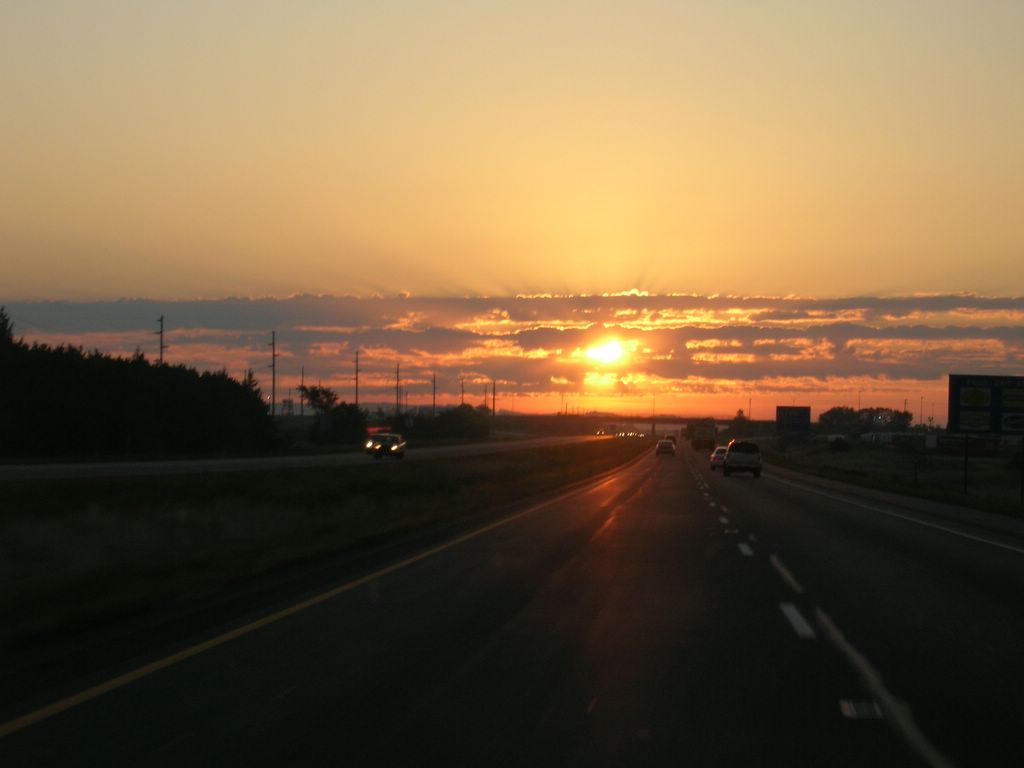
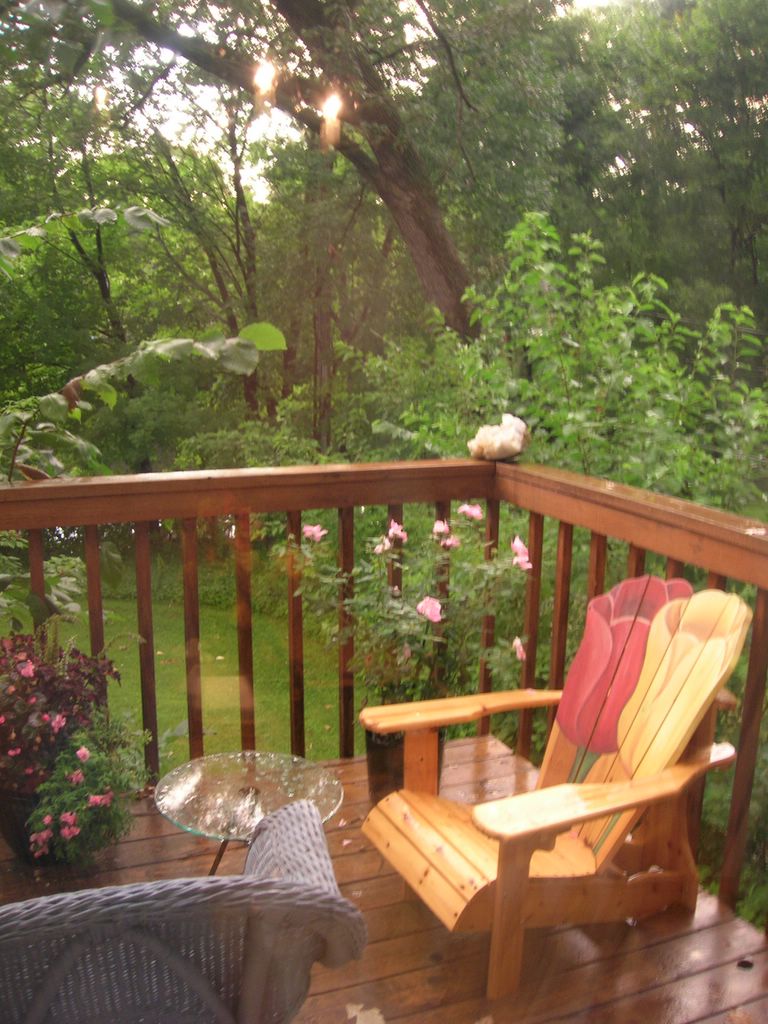


Nature is invisible to nature. In the countryside, our longing is the foreground object. We long for something big enough to hide in, without disappearing forever. We long for the silence in which we can finally hear the complete sound of our own name. Your spirit rushes toward these hills, like a child. You cannot call it back, without betraying the silence that brought you here. It is a love of lost things, your lost name, a silence which yields nothing until death.

Nature is invisible to nature. In the countryside, our longing is the foreground object. We long for something big enough to hide in, without disappearing forever. We long for the silence in which we can finally hear the complete sound of our own name. Your spirit rushes toward these hills, like a child. You cannot call it back, without betraying the silence that brought you here. It is a love of lost things, your lost name, a silence which yields nothing until death.


In the country, nature is invisible, and our longings are the foreground object. In this picture, we long for the love of the sturdy people who kept this granary full. We long to love the boundary between lawn and flower bed, as keenly as the line between action and death. The peacefulness of the whole scene draws us in, and crushes us.
In the country, nature is invisible, and our longings are the foreground object. In this picture, we long for the love of the sturdy people who kept this granary full. We long to love the boundary between lawn and flower bed, as keenly as the line between action and death. The peacefulness of the whole scene draws us in, and crushes us.




Subscribe to:
Posts (Atom)

 Posts
Posts

